Arizona House Bill 2050 Sent to Governor’s Desk for Signature
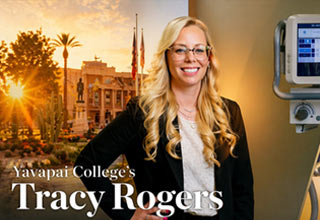
Prescott, Arizona — Governor Katie Hobbs signed a bill on Apr. 13 that exists in part due to Yavapai College’s Director of Radiology Tracy Rogers, herself a graduate of that program in 2016, becoming involved in ongoing meetings among healthcare employers and educators starting in 2024.
The primary discussions focused on staffing shortages and, more specifically, the educational barriers affecting the radiologic technology profession.
Those conversations opened the door to exploring creative ways to make radiologic technology education more accessible across Arizona. Rogers said that while many ideas were shared that day, she left with important questions.
Arizona House Bill 2050 modifies statutes governing radiologic technology educational standards for schools and individuals by expanding acceptable school accreditations, revising required coursework, changing required clinical hours, and aligning content with national standards.
“As I began examining Arizona’s state regulations alongside national educational and accreditation standards, I realized that meaningful innovation and program development would require greater clarity in Arizona’s outdated regulatory language,” Rogers said. “It became clear to me that if the state wanted to support new programs and expand access to education, the regulations needed to better reflect current practice and educational standards.”
Although Rogers initially felt that influencing change at that level was beyond her capabilities, she said she sought guidance from one of her trusted leaders, Yavapai College Vice President of Workforce and Health Science Dr. Marylou Mercado.
Dr. Mercado connected Rogers with Yavapai College Executive Director for Legislative Affairs Richard Hernandez, who ultimately introduced her to Arizona House Representative Selena Bliss. That connection led to a larger collaborative effort focused on updating radiologic technology educational regulations in Arizona.
“Tracy Rogers exemplifies effective leadership rooted in both experience and purpose,” Dr. Mercado said. “As a graduate of Yavapai College’s radiologic technology program, she understands firsthand the challenges students and programs face, and she has transformed that insight into meaningful action. Tracy’s ability to bring educators, employers, and legislators together around a shared goal speaks to her professionalism and persistence. Her work on Arizona House Bill 2050 demonstrates how thoughtful collaboration can reduce barriers, expand access to education, and ultimately strengthen Arizona’s healthcare workforce for the communities we serve.”
Through this work, Rogers developed an advocacy committee within the Arizona State Society of Radiologic Technologists at the end of last year, gathered feedback from program directors across the state, and sought input from the Government Relations team of the ASRT.
Together, those efforts helped shape proposed updates to the outdated educational standards. The goal of these updates is to provide greater clarity while also allowing flexibility for both new and existing programs to reduce barriers to education and support more qualified radiologic professionals entering the workforce.
“This experience also reinforced something deeply important to me: real change comes from action,” Rogers said.
“When we are willing to ask questions, seek guidance, and turn the answers we receive into meaningful next steps, we create opportunities to influence and shape our own careers in ways we may not have thought possible. The reward in doing so can be invaluable, not only for personal growth, but for the lasting impact it can have on students, the profession, and the communities we serve.”
Yavapai College operates seven campuses and centers throughout Yavapai County and offers over 100 degrees and certificates, six baccalaureate degrees, student and community services, and cultural events and activities. To learn more about Yavapai College, visit www.yc.edu.